نما قطاع البناء في نيوزيلندا بشكل مطرد خلال العقد الماضي, مدفوعة بالاستثمار في البنية التحتية, الطلب على السكن, والتحول نحو أكثر دواما, مواد بناء طويلة الأمد. في هذه البيئة, أصبح دخان السيليكا - المعروف أيضًا باسم ميكروسيليكا - مادة ذات أهمية متزايدة للمهندسين ومنتجي الخرسانة الذين يحتاجون إلى تلبية معايير الأداء الأعلى دون زيادة تكاليف المشروع بشكل كبير.
ومع ذلك، فإن الحصول على أبخرة السيليكا في نيوزيلندا يمثل تحديًا واضحًا. لا تنتج البلاد دخان السيليكا محليًا, وتظل شبكات التوزيع المحلية محدودة مقارنة بالأسواق الأكبر مثل أستراليا أو الولايات المتحدة. يأتي معظم المشترين إما من خلال عدد صغير من المستوردين المحليين, الاعتماد على سلاسل التوريد الأسترالية, أو الاستيراد مباشرة من الشركات المصنعة في الصين, النرويج, أو غيرها من الدول المنتجة.
ما هو دخان السيليكا ولماذا يهم؟?
دخان السيليكا هو منتج ثانوي لإنتاج معدن السيليكون وسبائك الفيروسيليكون في أفران القوس الكهربائي. جزيئات ثاني أكسيد السيليكون غير المتبلورة الدقيقة للغاية - عادةً 50 إلى 200 مرات أصغر من حبة الأسمنت - يتم التقاطها من غازات عادم الفرن ومعالجتها إلى شكل مسحوق أو حبيبات مكثفة.
في الخرسانة, يؤدي دخان السيليكا وظيفتين في وقت واحد. أولاً, يتفاعل كيميائيا مع هيدروكسيد الكالسيوم (منتج ثانوي لترطيب الأسمنت) لتشكيل هيدرات سيليكات الكالسيوم الإضافية (C-S-H), المركب المسؤول عن قوة الخرسانة ومتانتها. ثانية, يسمح حجم جزيئاته الدقيقة للغاية بملء الفراغات المجهرية بين حبيبات الأسمنت, إنتاج أكثر كثافة, مصفوفة لصق أقل نفاذية.
والنتيجة هي الخرسانة التي هي أقوى, أكثر دواما, أكثر مقاومة لاختراق الكلوريد وهجوم الكبريتات, وأكثر ملاءمة للبيئات العدوانية. بالنسبة لنيوزيلندا – ببنيتها التحتية الساحلية, التعرض الزلزالي, ومشاريع الجسور طويلة المدى – هذه الخصائص ذات صلة مباشرة. يمكنك معرفة المزيد عنها تطبيقات أبخرة السيليكا في الخرسانة وكيف تترجم عبر أنواع البناء المختلفة.
أين يستخدم دخان السيليكا في البناء في نيوزيلندا؟?
تتوافق التطبيقات الأكثر شيوعًا لأبخرة السيليكا في نيوزيلندا بشكل وثيق مع أنماط الاستخدام العالمية, على الرغم من أن الظروف المحلية تؤثر على الخصائص ذات الأولوية.
البنية التحتية البحرية والساحلية
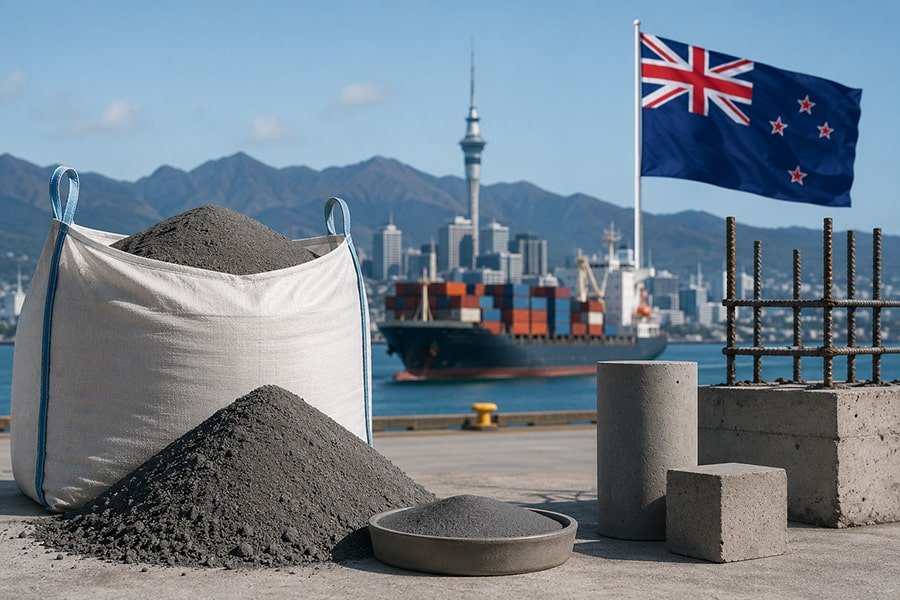
إن الخط الساحلي الواسع لنيوزيلندا يعني أن نسبة كبيرة من بنيتها التحتية — أرصفة, مرافق الميناء, الجسور الساحلية, الأسوار البحرية - تتعرض لبيئات غنية بالكلوريد. دخول الكلوريد هو السبب الرئيسي لتآكل التسليح في هذه الهياكل. خرسانة دخان السيليكا, مع انخفاض نفاذية الكلوريد بشكل كبير, يطيل عمر خدمة الهياكل الساحلية بشكل كبير ويقلل من تكاليف الصيانة طوال الحياة. يعد هذا واحدًا من أقوى مقترحات القيمة لتحديد أبخرة السيليكا في سياق نيوزيلندا.
الخرسانة سابقة الصب وعالية الأداء
يستخدم قطاع الخرسانة مسبقة الصب في نيوزيلندا دخان السيليكا لتحقيق نقاط قوة مبكرة أعلى, تحسين الانتهاء من السطح, وتقليل النفاذية في العناصر مسبقة الصب. للعناصر سابقة الإجهاد, يساعد دخان السيليكا على تحقيق أهداف القوة المطلوبة في الأعمار المبكرة, دعم دورات الإنتاج بشكل أسرع. كما أنه يقلل من خطر غبار السطح الخرساني والعيوب السطحية التي تؤثر على جماليات ومتانة الخرسانة الجاهزة.
UHPC والهياكل الهندسية
خرسانة فائقة الأداء (UHPC) — مع قوة الضغط أعلاه 120 MPa - يتطلب دخان السيليكا كمكون أساسي. لقد وجدت UHPC تطبيقًا في نيوزيلندا في عناصر الجسور, المكونات المعمارية ذات القسم الرقيق, والأنظمة الهيكلية المقاومة للزلازل. إن ليونة المادة وقوتها تجعلها مناسبة تمامًا لمتطلبات التصميم الزلزالي في نيوزيلندا. لإلقاء نظرة تفصيلية على دخان السيليكا في تطبيقات UHPC, بما في ذلك معلمات تصميم المزيج, الرجوع إلى الدليل الفني لدينا.
الخرسانة المرشوشة وبطانة الأنفاق
مشاريع البنية التحتية للطرق والسكك الحديدية في نيوزيلندا, وكذلك التطبيقات الجيوتقنية, الاستفادة من الخرسانة المرشوشة بدخان السيليكا في بطانات الأنفاق, استقرار المنحدر, ودعم القطع والملء. يعمل دخان السيليكا على تحسين تماسك الخرسانة المرشوشة ذات المزيج الرطب, يقلل من الارتداد, ويعزز التطوير المبكر للقوة - وهو أمر بالغ الأهمية لبناء الأنفاق بشكل آمن وفعال.
الأرضيات المقاومة للتآكل والصناعية
يستخدم دخان السيليكا في تطبيقات الأرضيات الصناعية – أرضيات المستودعات, مراكز التوزيع, والألواح شديدة التحمل - حيث تكون مقاومة التآكل وصلابة السطح مطلوبة. يؤدي تأثير الحشو الدقيق لأبخرة السيليكا إلى إنتاج منطقة سطحية أكثر كثافة تقاوم التآكل بشكل أكثر فعالية من الخلطات الخرسانية القياسية.
ما هي الدرجة التي يجب على المشترين النيوزيلنديين تحديدها؟?
يتوفر دخان السيليكا في عدة درجات نقاء SiO₂, ومطابقة الدرجة مع التطبيق تتجنب الإفراط في المواصفات (دفع ثمن النقاء الذي لا تحتاجه) وتحت المواصفات (المخاطرة بنقص الأداء).
85% SiO₂ — الغرض العام
مناسبة للخرسانة البنية التحتية القياسية, الخرسانة الجماعية, وتحسين المتانة العامة. يفي بالحد الأدنى من عتبة SiO₂ بموجب ASTM C1240. فعالة من حيث التكلفة للتطبيقات ذات الحجم الكبير حيث لا تتطلب التفاعل المتميز.
92% SiO₂ — الأكثر تحديدًا على نطاق واسع
الدرجة المحددة الأكثر شيوعًا عالميًا, والاختيار المناسب لمعظم التطبيقات النيوزيلندية: الخرسانة البحرية, مسبقة الصنع, الجسور, والعناصر الهيكلية عالية الأداء. يوازن التفاعل, قابلية العمل, وفعالة من حيث التكلفة. متوفر في كليهما مكثف و غير مكثف أشكال.
94–96% SiO₂ — أداء عالي
موصى به لـ UHPC, مسحوق الخرسانة التفاعلي, والصب المسبق عالي المواصفات حيث يتطلب الحد الأقصى من النشاط البوزولاني والحد الأدنى من خطاب النوايا. تعمل مستويات الشوائب المنخفضة على تحسين توافق الخليط وتقليل التباين في تصميمات المزيج المطلوبة.
المكثف مقابل. غير مكثف: ما يجب أن يعرفه المشترون النيوزيلنديون
يصل معظم أبخرة السيليكا التي يتم شحنها إلى نيوزيلندا في شكل مكثف - مضغوط في حبيبات لتسهيل التعامل معه, انخفاض الغبار, وتحميل الحاويات بشكل أكثر كفاءة. دخان السيليكا غير المكثف, مع انخفاض كثافته الظاهرية (200-350 كجم/م3 مقابل 500-720 كجم/م3 للتكثيف), يتطلب حجم تعبئة أكبر لكل طن، كما أنه أكثر حساسية للرطوبة أثناء النقل.
لمعظم عمليات الخرسانة الجاهزة والمسبقة الصب في نيوزيلندا, دخان السيليكا المكثف هو الخيار العملي: يتدفق بحرية أكبر من خلال أنظمة المناولة الهوائية, متر بشكل أكثر دقة في محطات الخلط, وأقل عرضة للتكتل في ظروف التخزين الرطبة. الأداء الكيميائي - محتوى SiO₂, خطاب النوايا, التفاعل البوزولاني - متطابق بين الأشكال المكثفة وغير المكثفة لنفس المادة الأساسية. والفرق هو جسدي ولوجستي بحت.
للعمل المختبري, تجارب UHPC على دفعات صغيرة, والتطبيقات التي تتطلب أقصى قدر من التشتت مع الحد الأدنى من الشوائب, قد يكون من المفضل دخان السيليكا غير المكثف. يجب أن يتوافق كلا النموذجين مع ASTM C1240 أو EN 13263 — المعياران الأكثر شيوعًا في مواصفات مشروع نيوزيلندا.
استيراد أبخرة السيليكا إلى نيوزيلندا: اعتبارات عملية
الشحن والمهلة الزمنية
العزلة الجغرافية لنيوزيلندا تعني أن الشحن البحري من الموانئ الصينية (مصدر العرض الأساسي لمعظم المشترين في هذه المنطقة) يستغرق عادةً من 18 إلى 28 يومًا اعتمادًا على التوجيه وما إذا كانت الشحنات تمر عبر سيدني أو سنغافورة. أوكلاند هي ميناء الدخول الرئيسي لمعظم مواد البناء, على الرغم من أن تاورانجا وليتيلتون يتعاملان مع كميات كبيرة أيضًا. يجب على المشترين تخطيط دورات الطلب وفقًا لذلك, مع الاحتفاظ بالمخزون الاحتياطي محليًا لإدارة تقلب المهلة الزمنية.
التعبئة والتغليف
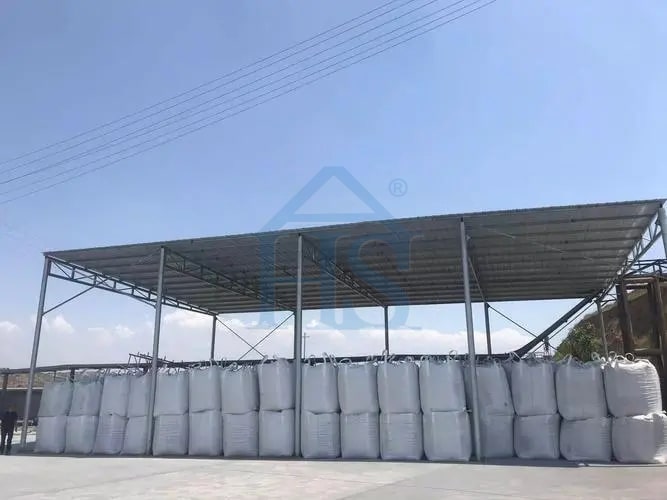
تنسيق التغليف الأكثر شيوعًا لواردات أبخرة السيليكا إلى نيوزيلندا هو 1,000 أكياس جامبو كجم (وتسمى أيضًا الأكياس الكبيرة أو FIBC — حاويات السوائب المتوسطة المرنة). وهي فعالة من حيث التكلفة للشحن في الحاويات ومتوافقة مع معدات مناولة المصانع القياسية. 25 تتوفر أيضًا الأكياس الورقية بحجم كجم للمستخدمين الصغار ولإمدادات المختبرات. يجب أن تكون العبوة سليمة عند الوصول لمنع دخول الرطوبة - سيظهر أبخرة السيليكا التي امتصت الرطوبة أثناء النقل محتوى رطوبة أعلى مما هو مذكور في شهادة توثيق البرامج وقد يتكتل أثناء التفريغ.
متطلبات التوثيق
لكل شحنة, يجب على المشترين أن يطلبوا: شهادة تحليل خاصة بالدفعة (شهادة توثيق البرامج), ورقة بيانات السلامة (الحزب الديمقراطي الصربي/MSDS), قائمة التعبئة, وبوليصة الشحن. لا تفرض متطلبات الجمارك والأمن الحيوي في نيوزيلندا قيودًا محددة على دخان السيليكا كمعدن صناعي, لكن الفواتير التجارية يجب أن تصف بدقة المادة ونظامها المنسق (النظام المنسق) شفرة. سيقدم الموردون ذوو السمعة الطيبة جميع الوثائق وفقًا للمعايير. سبق أن قامت HSA بتزويد المشترين النيوزيلنديين بدخان السيليكا - راجع موقعنا دراسة حالة نيوزيلندا للحصول على مرجع بشأن سلسلة التوريد والتعامل مع الوثائق.
الحد الأدنى لكميات الطلب
للاستيراد المباشر من الشركة المصنعة, تحتوي الحاوية الكاملة التي يبلغ طولها 20 قدمًا على ما يقرب من 18-20 طنًا من دخان السيليكا المكثف في أكياس كبيرة الحجم. وهذا عادةً هو الحد الأدنى للأمر العملي للاستيراد المباشر. للمشترين الذين يحتاجون إلى كميات أقل, قد يكون الحصول على مصادر من خلال موزع أسترالي أو نيوزيلندي أكثر عملية, ولو بتكلفة أعلى للطن الواحد. للمشاريع الكبيرة أو اتفاقيات التوريد السنوية, 40-توفر حاويات القدم والشحنات متعددة الحاويات مزايا تكلفة الشحن.
ما الذي تبحث عنه لدى مورد أبخرة السيليكا
سواء مصادر محلية أو دولية, معايير تقييم مورد أبخرة السيليكا هي نفسها. ابحث عن الموردين الذين يمكنهم توفير شهادات توثيق البرامج الخاصة بالدفعة - وليس أوراق التحليل النموذجية العامة - مع تقارير كاملة عن المعلمات: SiO₂, خطاب النوايا, محتوى الرطوبة, 45 ميكرومتر كبير الحجم, مؤشر نشاط القوة, محتوى الكلوريد, ومساحة سطحية محددة. تعد النتائج المتسقة عبر دفعات متعددة بمثابة إشارة أقوى للجودة من شهادة توثيق برامج واحدة مثيرة للإعجاب.
الاستجابة للاستفسارات الفنية, الاستعداد لتوريد العينات قبل الالتزام, والقدرة على تقديم الوثائق بالتنسيق الذي تتطلبه مواصفات مشروعك كلها مؤشرات عملية لموثوقية المورد. السعر عامل ذو صلة, ولكن بالنسبة للمادة التي يؤثر أدائها بشكل مباشر على الخرسانة الإنشائية, يجب أن تحمل التكلفة الإجمالية للملكية - بما في ذلك تكلفة إعادة تصميم المزيج أو إعادة العمل إذا كانت الجودة غير متسقة - وزنًا أكبر من سعر الوحدة وحده. يمكنك أيضًا مراجعة مقالتنا الأوسع حول تأثير دخان السيليكا على خواص الخرسانة لفهم ما تحدده وسبب أهميته.
لماذا يختار المشترون النيوزيلنديون HSA؟
خنان متفوقة مزيلات (HSA) هي شركة مقرها الصين لتصنيع أبخرة السيليكا والتي تزود المشترين في جميع أنحاء منطقة آسيا والمحيط الهادئ, بما في ذلك نيوزيلندا. نحن ننتج دخان السيليكا المكثف وغير المكثف في درجات من 85% إلى 96% SiO₂, متوافق مع ASTM C1240 و EN 13263. Every shipment is supported by a batch-specific COA, SDS documentation, and technical support from our export team.
We supply powder silica fume exclusively — no slurry — which means the SiO₂ content stated on the COA reflects the material you receive, without dilution. Packaging is available in 1,000 kg jumbo bags or 25 kg paper sacks, with containerised FCL shipments direct to Auckland, Tauranga, Lyttelton, and other New Zealand ports.
To request a sample pack, أوراق البيانات الفنية, or a quote for your project, contact our export team directly.
حول كاشطات خنان سوبيريور (HSA)
Henan Superior Abrasives is a China-based manufacturer and global exporter of silica fume (ميكروسيليكا), كربيد السيليكون, and related industrial minerals, supplying buyers across 30+ بلدان. HSA produces densified and undensified silica fume powder compliant with ASTM C1240 and EN 13263, in grades from 85% إلى 96% SiO₂. For documentation, samples, or supply enquiries, visit hsamaterial.com أو اتصل بفريق التصدير لدينا.