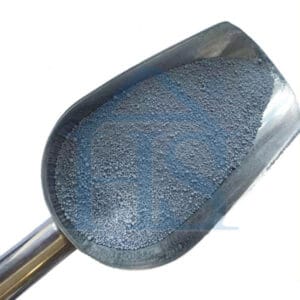
Granulowany pył krzemionkowy: Właściwości, Zastosowania, i Korzyści
Pył krzemionkowy jest produktem ubocznym wytwarzania stopów krzemu i żelazokrzemu, i od tego czasu jest stosowany jako dodatkowy materiał cementowy w betonie


Pył krzemionkowy jest produktem ubocznym wytwarzania stopów krzemu i żelazokrzemu, i od tego czasu jest stosowany jako dodatkowy materiał cementowy w betonie

Silica fume is an essential component in the production of concrete. Silica fume is a mineral admixture derived from the burning of coal or other

Pył krzemionkowy jest dobrą domieszką do betonu, dodatek ogniotrwały, dyspergator produktów chemicznych i spoiwo granulatów metalurgicznych ze względu na doskonałe właściwości odporności na wysoką temperaturę, zapobieganie

Grouting agent (material) Grouting agent (material) has the excellent performance of micro expansion, non-shrinkage, large flow, self-compacting, very low water secretion rate, high filling, small
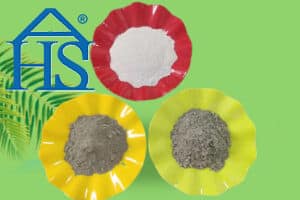
Refractory microsilica powder is amorphous structure, with good volcanic ash surface activity. With the increase of carbon and iron oxide content, the appearance color of

Opary krzemionki, zwany także mikrokrzemionką lub pyłem krzemionki spoistej lub pyłem krzemionki skondensowanej, jest wytwarzany z żelazostopów podczas wytapiania żelazokrzemu i krzemu przemysłowego (metal krzemowy),
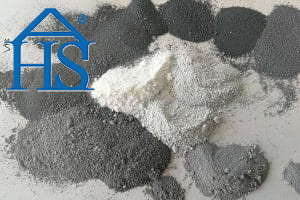
Silica fume is produced as a by-product in the manufacture of silicon metal and ferrosilicon alloys, which are commonly used in numerous industrial applications including steel

Opary krzemionki, or microsilica, presents an important by-product produced during the manufacturing process of ferrosilicon and silicon metal alloys. The compound finds wide uses in

Due to the continuing urbanization and industrialization, the construction industry is booming in many countries all around the world, from China to the United States,