
A função e o papel do concreto
Concreto: é um termo coletivo para compósitos de engenharia feitos de materiais cimentícios que colam agregados em um todo. O termo concreto é geralmente usado para


Concreto: é um termo coletivo para compósitos de engenharia feitos de materiais cimentícios que colam agregados em um todo. O termo concreto é geralmente usado para
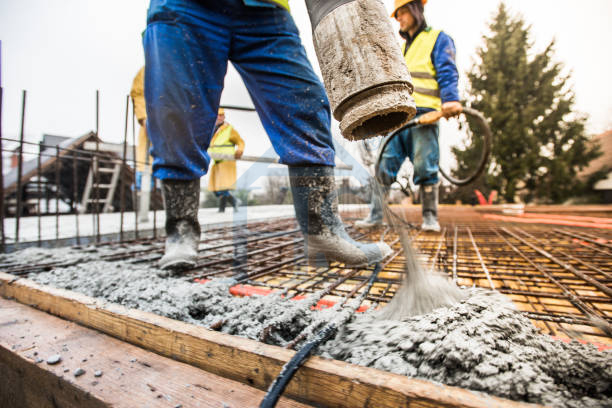
O concreto de cimento é um sistema poroso, esses poros afetarão diretamente o desempenho e a vida útil do concreto, então na preparação do concreto
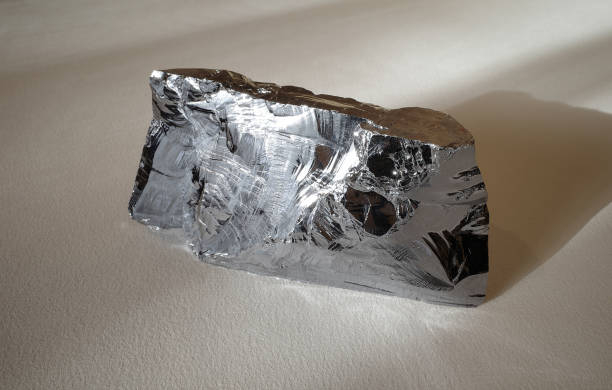
Se você está no ramo de construção, você sabe o quão importante é ter materiais de alta qualidade à sua disposição. One such material is silica

The Science Behind Silica Fume Silica fume, também conhecido como microssílica, é um subproduto da produção de ligas de metal de silício ou ferrosilício em fornos de arco elétrico.

Silica fume and slag powder are both supplementary cementitious materials (SCMS) used in the construction industry to improve the properties and performance of concrete. While

Slag powder is a fine-grained byproduct produced during the separation of metal from its ore in various high-temperature metallurgical processes, such as smelting and refining.

A sílica ativa é um subproduto da fundição de ferrossilício, and is used in high-strength concrete, concretos refratários, etc.. Also, as a mineral admixture, silica fume is

A sílica ativa é frequentemente usada como aditivo mineral em concreto, mas também é amplamente utilizado na indústria de materiais, indústria química, e borracha

Concrete is one of the most widely used construction materials globally, but its production comes at a high environmental cost, contributing significantly to CO2 emissions.