
Silica Fume in Liechtenstein: High-Performance Concrete for Alpine Construction
Liechtenstein may be one of the smallest sovereign states in the world, but its construction sector faces some of the toughest engineering conditions in Europe.


Liechtenstein may be one of the smallest sovereign states in the world, but its construction sector faces some of the toughest engineering conditions in Europe.

For much of the twentieth century, the thick grey plumes rising from silicon and ferrosilicon smelting furnaces represented one of the metallurgical industry’s most persistent

Was ist, ist 456? IST 456:2000, offiziell mit dem Titel Plain and Reinforced Concrete – Code of Practice, ist Indiens wichtigster Baubetonstandard. Herausgegeben von der
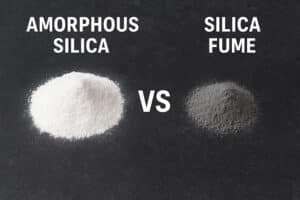
Wenn es um industrielle Silica-Materialien geht, Viele Menschen verwechseln amorphe Kieselsäure mit Kieselsäurestaub. Bei beiden handelt es sich um Formen von nichtkristallinem Siliziumdioxid (SiO₂), they
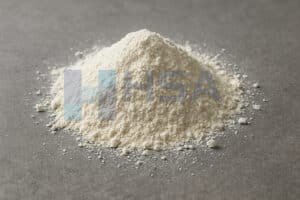
Da die Bauindustrie im Vereinigten Königreich weiterhin eine höhere Haltbarkeit anstrebt, Nachhaltigkeit, und Leistung, Metakaolin hat sich als eines der wirksamsten Nahrungsergänzungsmittel herausgestellt

Synergistic effect of epoxy resin and silica fume Epoxy resins are widely used in electronic packaging, Beschichtungen, und Verbundwerkstoffe aufgrund ihrer ausgezeichneten Haftung, chemical

Der AASHTO M 307:2022 Standard, herausgegeben von der American Association of State Highway and Transportation Officials (ASCHE ZU), specifies the requirements for silica fume (Mikrosilika) used
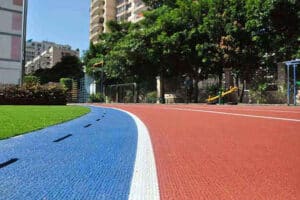
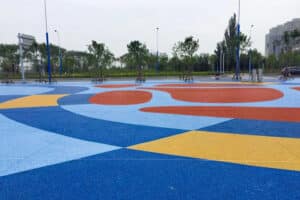
Harzgebundene Oberflächen werden aufgrund ihrer satten Farbgebung häufig im Landschafts- und Kommunalbau eingesetzt, diverse patterns and convenient
Water reducers These admixtures reduce the amount of water needed in a concrete mix while maintaining workability. This can lead to several benefits, including increased