
Why do insulation coatings need to be mixed with microsilica?
Insulation coating is an important energy-saving material to reduce reduce the intrusion of heat from outside into the room, with the continuous development in recent


Insulation coating is an important energy-saving material to reduce reduce the intrusion of heat from outside into the room, with the continuous development in recent
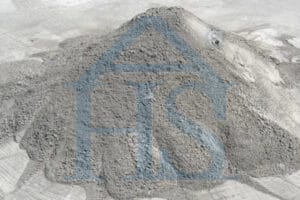
Nowadays, in the process of concrete preparation, silica fume is often used to replace part of the cement to improve the performance of concrete, but

In the process of concrete preparation, in order to meet the strength requirements of the project, silica fume is usually mixed into it to meet

We know that silica fume in concrete is mainly mixed with internal and external blending, but in actual use, the simple blending of silica fume
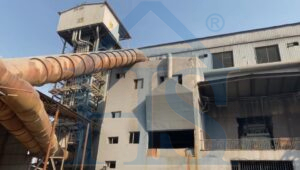
Silica Fume Factory Silica Fume Production Process The production of silica fume involves three main steps: obtaining raw materials, processing them in a furnace, and

Ultra-High Performance Concrete (UHPC) has emerged as a groundbreaking material in the field of construction due to its exceptional strength, durability, and versatility. UHPC offers

UHPC is the abbreviation of ultra-high performance concrete with high strength, high toughness and excellent durability, which is mostly used in bridge, water conservancy, marine

Silica fume is microsilica, in the concrete as a mineral mixer, the right amount of admixture can effectively improve the performance of the concrete, and

Factors Affecting Silica Fume Cost The cost of silica fume can vary depending on several factors. Understanding these factors is crucial for estimating the overall